「ビジネス×エスノグラフィー」ワークショップ

「エスノグラフィー」をご存知でしょうか?今、マーケティング等の分野で注目されている定性研究方法の一種です。

今回は、経験豊富な学者と実務家によるエスノグラフィーの現状解説だけではなく、参加者の方々からの「エスノグラフィーって何?」、「○○がわからないけど、どうしたらよいの?」といった疑問についた熱く語るワークショップです。

*本イベントは終了いたしました。

・日時:2018年9月30日(日)10:30-13:00

・場所:筑波大学東京キャンパス 607室(東京都文京区大塚3-29-1)

*教室は、建物6階にございます(建物は1棟のみです)。

・アクセスマップ:丸の内線茗荷谷駅から徒歩約6分。http://www.tsukuba.ac.jp/access/bunkyo_access.html

・スケジュール

10:30-11:40 登壇者による発表

1.八木規子(聖学院大学)「エスノグラフィーの特徴とは:定性的研究手法という見地から」

  • エスノグラフィーの定義、経営学とエスノグラフィー、エスノグラフィーの特徴、その貢献、エスノグラフィーの進化、について発表があった。

2.朱藝(筑波大学)「エスノグラフィーで見る企業文化:学者の視野から」

  • 事例をもとに、エスノグラフィーと経営学の違い、エスノグラファーとして得るだろうスキルセットに関する話だった。

3.大戸朋子(KDDI総合研究所)「企業研究所×エスノグラフィ」

  • 企業研究所におけるエスノグラフィの現状とその課題、伝統とビジネス面でのエスノグラフィの違い、について議論した。

4.鈴木麻美子(日本総合研究所)「人間中心デザインのためのエスノグラフィックアプローチ」

  • なぜ人間中心デザインになったのか、日本や世界における動き、イノベーションへの貢献、について発表があった。

11:15~13:00 参加者との自由討論

エスノグラフィーに関してもっている疑問や実務における導入プロセスにおける課題をご共有いただきました。

参加費無料

・事前登録制

より多くの方々からご意見をいただくため、人数制限をさせていただいております。
恐れ入りますが、事前登録をお願いいたします。

【イベント後のリフレクション】

「手法」にとどまらないエスノグラフィーってなんだろう?エスノグラフィーという「思想」「思考」みたいなものってあるのだろうか?  

エスノグラフィー的思考で大切であろう2つのポイント:

1, 当たり前に見える現実を異化すること

  • Organizational Ethnographyの授業で最初に出た課題が、観察に行く際、自分が外国人あるいは宇宙人になったつもりで当たり前の世界(スーパーのレジとか)を観察してくる、というものだった。自分を異化することで、当たり前の世界がどう見えてくるか、これがエスノグラフィーの基本というわけだ。
  • 昨日のビジネス界へのエスノグラフィーの応用を聞いていると、「顧客・ユーザーという名の宇宙人に、企業の人間が会いに行く」というふうにも思える。自分たち(企業人)では、自分たちの製品や製品を使っている文脈を宇宙人のような視点で見ることは困難なので、顧客・ユーザーという、時々宇宙人みたいになる人たちを観察に行く、というような感じだろうか。

2. 観察対象への敬意を持つこと

  • 二つ目は、デザイン思考のいうEmpathizeと重なるかもしれない。エスノグラフィーでいうと、自分(観察者)が宇宙人になって観察に出かけていく先の人々に対して、respectを忘れない、というmindsetにつながるのかなと思った。エスノグラファーは、観察に出かけて行く先のことは何一つ知らない宇宙人として、暮らし方を見せてくれる相手のひとびと、その生き方を否定しない、あるがままに観察する、というmindsetを忘れてはいけない、というのが教科書で強調されたことだろう。

⇒この指摘は、今後人類学がもっともっと実務とくっついていくと、顕在化していく問題なのではないか?エスノグラフィーとはなんだろう?という問いは、ひいては人類学とは何か?という確たる部分への問いかけにもつながっているのではないだろうか。

⇒現在のビジネス界において、「何のためのビジネスなのか?」といった本質的なところを見失っているように感じる。利益、成果主義や数値を追い求める風潮が、必ずしも成果につながるわけではないことを密かに感じている人も企業の中にいるように感じる(特に、人事に関わるマネージャー、営業職、グループを統括するマネージャーに多くいると思う)。

Workshop Business × Ethnography

We will host a workshop “Business × Ethnography” in Japanese by inviting  both academia and industry to facilitate ethnographic approaches in business. We particularly welcome working professionals who are interested in / planning to introduce ethnographic method in their business or those who have faced challenges in this process.
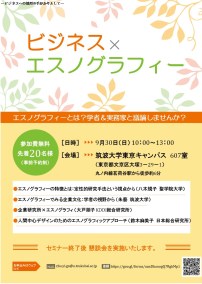
ポスター

9月30日ポスター

2018年度香港研修説明会

2018年9月24日、筑波-香港大学グローバルリーダーズプログラムの説明会を開催しました。本プログラムは、日本における高校生を対象とし、2017年度から開催しています。約1週間にわたる研修では、香港大学教員によるセミナー、香港における企業訪問を設けています。

プログラムの詳細は、こちらをご覧ください。

淡海研究会での発表

2018.09.09

9月9日の淡海働き方研究会では、ブラック企業アナリスト新田龍さんによる基調講演から始まり、新田さんの豊富なご経験と日本的慣行への鋭い考察には、度々感銘を受けています。

新田さんの発表の後に、私の方から『一教員から見る日本の労働問題:グローバル化とダイバーシティ』と題し、発表させていただきました。IMG_7706 (1)

働き方が頓挫する企業の特徴、経営戦略としてのダイバーシティ、組織における実態について話しました。

特に、組織における実態では、以下の4点について議論しました:

①日本のオモテ(ダイバーシティ歓迎)とウラ(あまり実行していない/実はしたくない)

②日本人と外国人のコミュニケーション摩擦(お互い考えていることが根本的に違う by 共同研究で行っているFocus CubedによるFriction Point Analysis(英語)

③多様性≠インクルーシブ(多様ではあるが、包括的な関係性に至っていない)

④虚妄な概念「英語流暢=グローバル人材」(英語ができても現地従業員を管理できない人もいる)

学者だけではなく、実務の方々と議論でき、とても有意義な一日でした。

MotifyのDoreさん@MBA-IB

2018年9月5日

26112161_10159907188185066_7625988797502159281_n

私が筑波大学のMBA-IBで担当している授業Global Business and International Human Resource ManagementにMotifyのCEOであるDore (ドリー)さんにお越しいただきました。

当日は、ご自身のスタートアップ起業の設立までに至るご経験(貴重な情報が大変豊富でした…!)やテクノロジーと融合したHRツール(従業員のモチベーションに関する情報収集など)をご紹介いただきました。ドリーさん、ありがとうございました!

We invited Dore, CEO of Motify for a guest lecture at my course, Global Business and International Human Resource Management atMBA-IB of UT. He shared experiences of building his start-up company (many valuable information…!), and a HR tool combined with technology (collect information about employment motivation, etc.) developed by his company (which was fascinating!). Thank you so much, Dore!

Motify: http://www.motify.work/

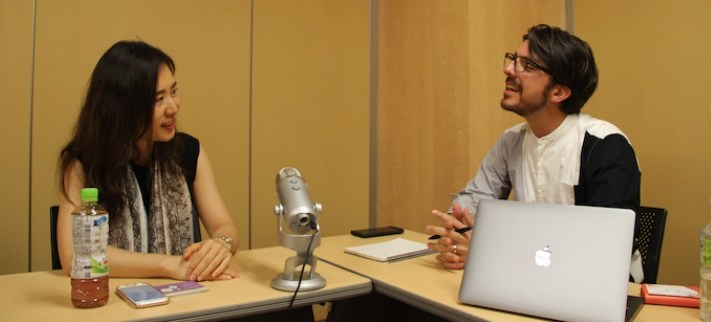
こちらから私のポッドキャスト@Motifyにアクセスできます。名称未設定

2018年9月9日働き方改革セミナーを開催します。

2回淡海(おうみ)働き方セミナー

テーマ:『ダイバーシティ不⾜』!

〜改善すべきは『⽇本的雇⽤慣⾏』と『問題上司』〜

開催日:平成30年9月9日(日)

開催地:筑波大学東京キャンパス122講義室( 東京都文京区大塚3-29-1)

会費:2,000円(学生 1,500円)

内容:以下のポスターをご参照ください。

GCI 2018 @ Hangzhou, China

Identity politics, Cosmopolitanism and Business:

Journey of a Japanese Company in Hong Kong

Abstract

The major aim of the presentation is to analyze the discourse of identity politics and cosmopolitan values in the process of translating and reinterpreting Japaneseness in Hong Kong. It is based on a long-term participant observation at a Japanese multinational retailer, here called it Ichi in Hong Kong. Numerous scholars have positively evaluated the influence of Japanese companies on Hong Kong consumers and their behaviors. In comparison to these studies, groups of scholars criticized Japanese management system to be overtly traditional and to be left behind the global standards. However, few have explored how these two different perceptions on Japan or Japaneseness could exist without conflicting with each other. This presentation examines, specifically, how local employees constructed these two attitudes in a context of postcolonial Hong Kong. Ichi markets itself as a global company while the management system was backward which largely echoes with previous management literatures. Local employees, who interpret Japanese cultures as advanced and unique before joining Ichi, were disappointed at the Japanese management system yet reconfirmed their passive perception were not wrong. These two feelings surprisingly did not conflict with each other nor reduced their positive feelings towards Japan because it resemblances to the local identity, which was mixed by Western ideology and Chineseness, and also the cosmopolitan values allow them to choose what is suitable to the occasion. This presentation implies that the translation or reinterpretation process of one culture to another is not a singular phenomenon, but a plural and dynamic process, and it has to be understood in relation to the formation of the local Hong Kong identity and the influence of Japanese culture in Hong Kong.

Keywords: identity, politics, cosmopolitanism, business, postcolonial

Sixth International Conference on Applications of Anthropology in Business @ Yinchuan, China

Identity Building:

Rites and Symbol in Corporate Management

This presentation aims to anthropologically examine the ways in which a corporate entity’s rites and symbols in management help construct a unique corporate identity, and the ways in which community members can cultivate a strong sense of belonging. Numerous management scientists believed that corporate identity was a fixed concept that could be measured scientifically. This perspective overlooks its fluidity and the impacts of routines and symbolic figures on identity building. This study will use the case of a Japanese ramen shop in Cambridge, Massachusetts (USA), to examine one of the unique aspects of Japanese management, which is to use daily routines and symbols to enhance collectivism. This paper uses the anthropological notion of identity building to offer a new perspective on management studies and to deepen the understanding of management in the Japanese context.

Keywords: identity, rites, symbol, management, Japan